
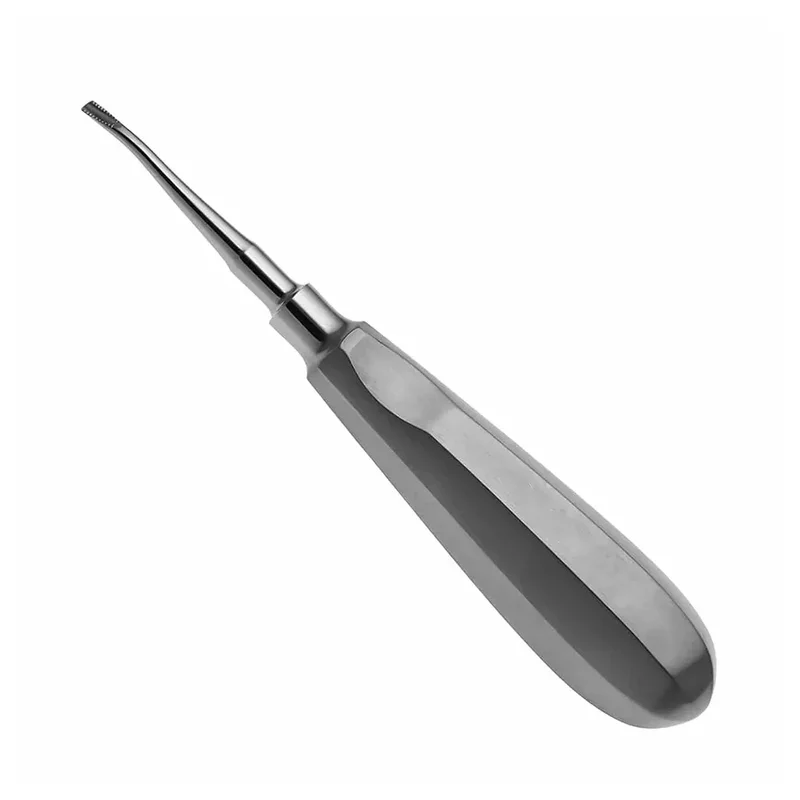
Composite Placement Instruments: Non-Stick Tips for Smooth Restorations
How coated non-stick composite instruments eliminate resin pullback and streamline aesthetic anterior and posterior sculpting.
How coated non-stick composite instruments eliminate resin pullback and streamline aesthetic anterior and posterior sculpting.
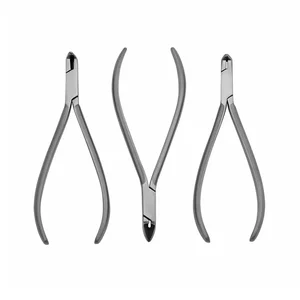
How orthodontic practices maintain sharp cutting edges on distal end cutters and prevent hinge stiffness through repeated autoclaving.
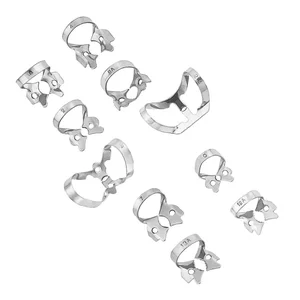
Selecting the right rubber dam clamp geometry for secure tooth isolation during root canal and restorative procedures.
A clinical hygiene guide comparing area-specific Gracey curettes and universal scalers for subgingival calculus removal.
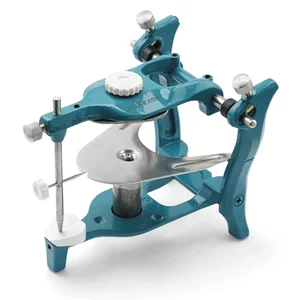
Give suppliers the evidence needed to review a dental instrument equivalent without assuming that similar names mean identical products.
Write dental instrument specifications that distinguish overall length, working-end geometry, handle, joint and sided configuration.
Use function, working-end geometry, dimensions, action and evidence to compare dental instrument families consistently.
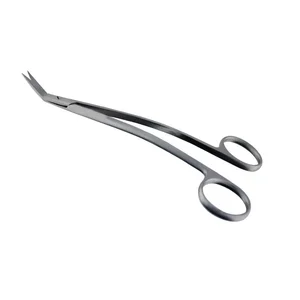
Review the major specification, manufacturing and inspection questions buyers can ask when evaluating a Sialkot dental supplier.
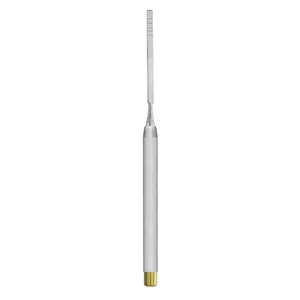
Understand how a dental instrument OEM request moves from evidence and specification through feasibility, samples, approval and supply.
A troubleshooting framework for stains, deposits, pitting and corrosion on reusable dental instruments without guessing the cause.
Use a controlled, documented dental instrument sample review before approving a larger clinic, institutional or distributor order.
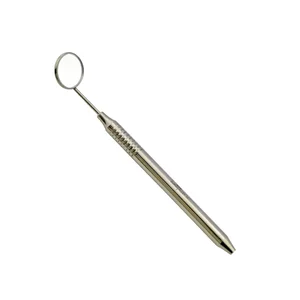
Build a locally evidenced dental instrument TCO model covering purchase, processing, inspection, maintenance, downtime and retirement.