
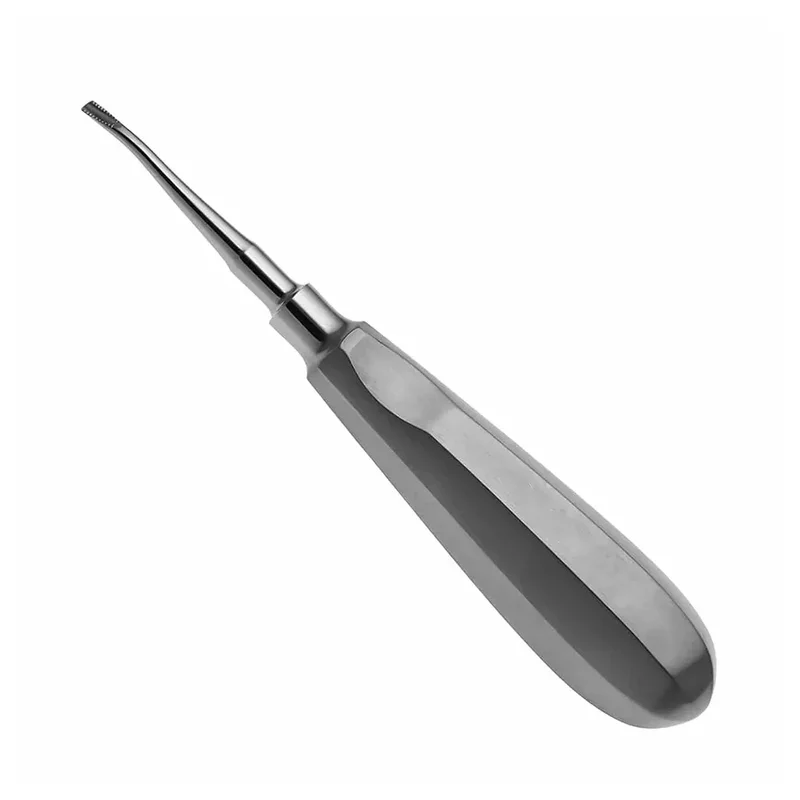
Composite Placement Instruments: Non-Stick Tips for Smooth Restorations
How coated non-stick composite instruments eliminate resin pullback and streamline aesthetic anterior and posterior sculpting.
How coated non-stick composite instruments eliminate resin pullback and streamline aesthetic anterior and posterior sculpting.
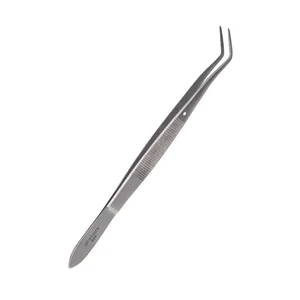
Why front-surface rhodium mirrors deliver sharp, double-image-free intraoral visibility under bright operatory lighting.
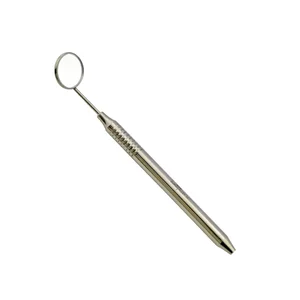
Essential surgical instruments for lateral and crestal sinus floor elevation, from atraumatic membrane curettes to bone condensers.
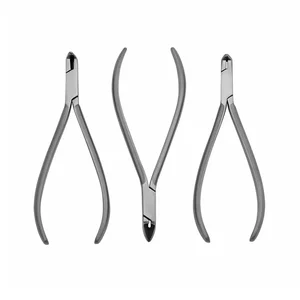
How orthodontic practices maintain sharp cutting edges on distal end cutters and prevent hinge stiffness through repeated autoclaving.
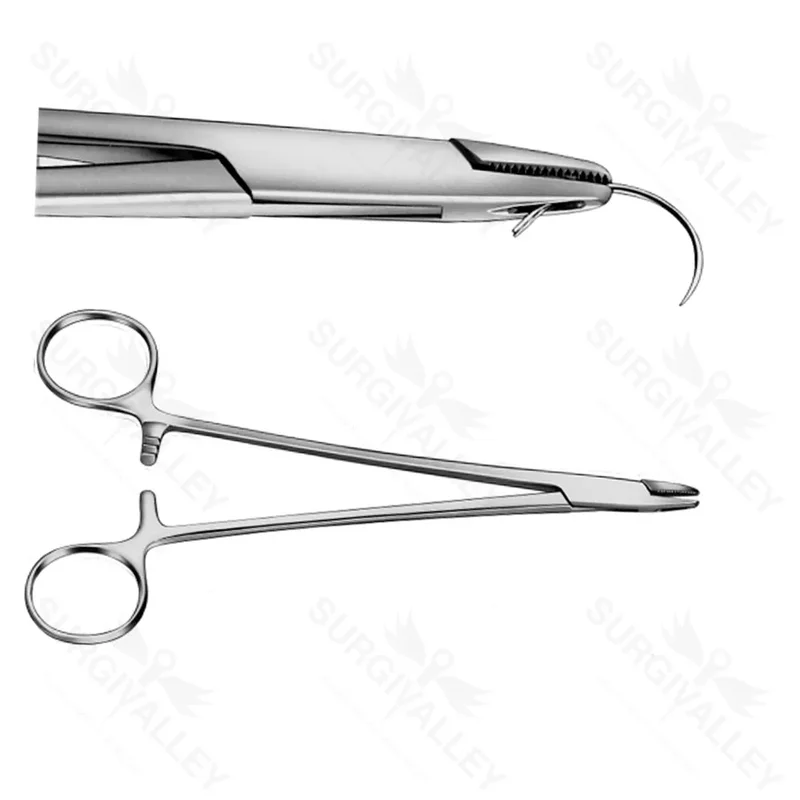
A technical 2026 B2B buyer guide comparing the top 5 CE and ISO 13485 certified dental instrument manufacturers in Sialkot, Pakistan for international dental supply houses.
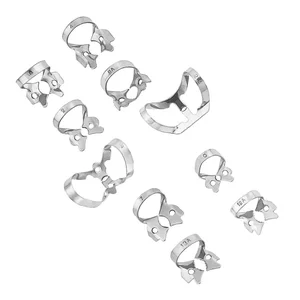
Selecting the right rubber dam clamp geometry for secure tooth isolation during root canal and restorative procedures.
How thin luxating elevators sever periodontal ligaments atraumatically, preserving bone for immediate implant placement.
A clinical hygiene guide comparing area-specific Gracey curettes and universal scalers for subgingival calculus removal.
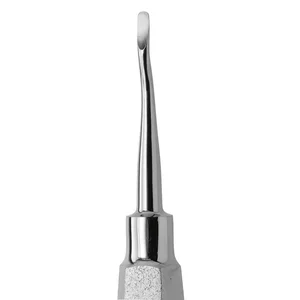
Learn how clinical purchasing teams can evaluate a 301 Apexo root elevator by intended use, jaw geometry, handle design, quality documentation, edge retention and bulk-order value.
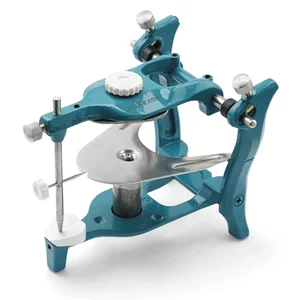
Give suppliers the evidence needed to review a dental instrument equivalent without assuming that similar names mean identical products.
Write dental instrument specifications that distinguish overall length, working-end geometry, handle, joint and sided configuration.
Use function, working-end geometry, dimensions, action and evidence to compare dental instrument families consistently.