
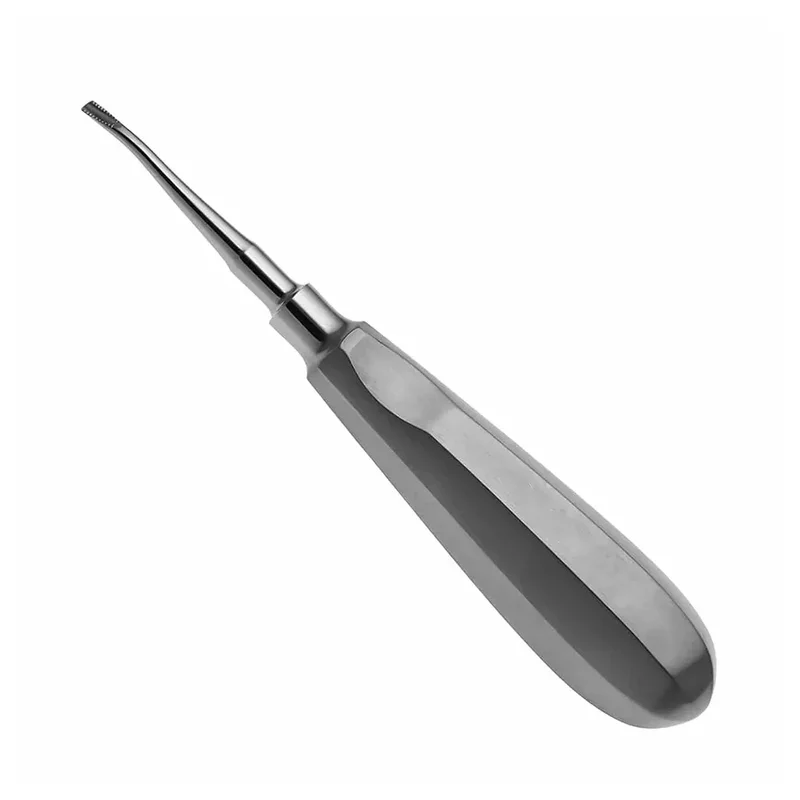
Composite Placement Instruments: Non-Stick Tips for Smooth Restorations
How coated non-stick composite instruments eliminate resin pullback and streamline aesthetic anterior and posterior sculpting.
How coated non-stick composite instruments eliminate resin pullback and streamline aesthetic anterior and posterior sculpting.
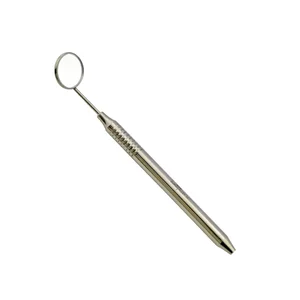
Why front-surface rhodium mirrors deliver sharp, double-image-free intraoral visibility under bright operatory lighting.
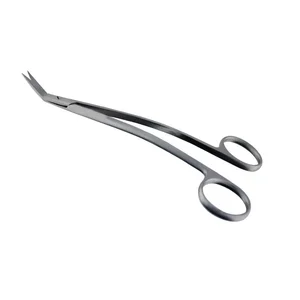
How orthodontic practices maintain sharp cutting edges on distal end cutters and prevent hinge stiffness through repeated autoclaving.
How thin luxating elevators sever periodontal ligaments atraumatically, preserving bone for immediate implant placement.
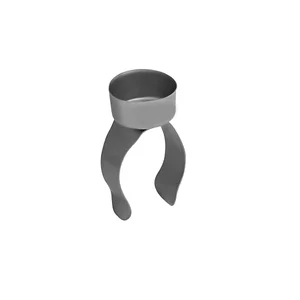
A clinical hygiene guide comparing area-specific Gracey curettes and universal scalers for subgingival calculus removal.
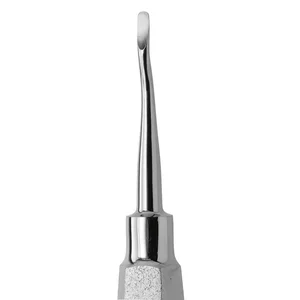
Learn how clinical purchasing teams can evaluate a 301 Apexo root elevator by intended use, jaw geometry, handle design, quality documentation, edge retention and bulk-order value.
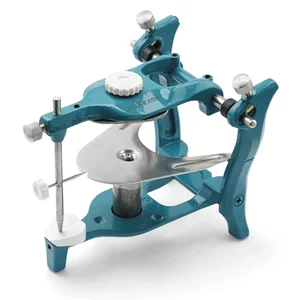
Give suppliers the evidence needed to review a dental instrument equivalent without assuming that similar names mean identical products.
Write dental instrument specifications that distinguish overall length, working-end geometry, handle, joint and sided configuration.
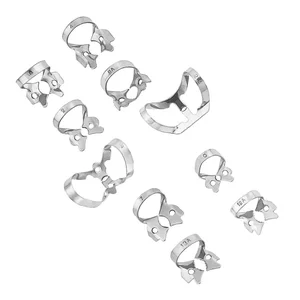
Use function, working-end geometry, dimensions, action and evidence to compare dental instrument families consistently.
Compare dental sets line by line using references, quantities, patterns, dimensions, substitutions and controlled revisions.
Compare American and English pattern extraction forceps by identification, handle, hinge, beak orientation and purchasing detail.
Use a controlled, documented dental instrument sample review before approving a larger clinic, institutional or distributor order.