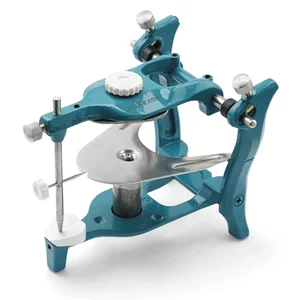
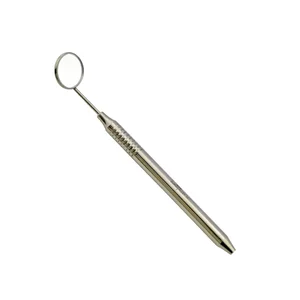
A clear look at the major manufacturing and inspection stages that turn instrument steel into a finished reusable dental hand instrument. The aim is not to replace a facility specification, manufacturer instructions or professional judgment. It is to help international buyers, distributors, procurement teams and readers evaluating manufacturing capability in Sialkot ask clearer questions, compare like with like and document why a product or program was accepted.
A useful purchasing conversation begins with the required function and ends with evidence that the delivered item matches the approved requirement. Between those points sit pattern names, dimensions, materials, finish, handling, documentation and repeatability. This guide keeps those decisions visible so price is considered alongside fitness for purpose and lifecycle needs.
Why Sialkot became an instrument-manufacturing cluster
The first pass should be deliberately simple: establish what must be true before discussing options. A written requirement gives the buyer, supplier and inspector the same reference point and prevents a familiar name from hiding a different jaw, tip, length, mechanism or configuration.
Turn that requirement into fields that can be checked. Record the catalog reference or drawing, critical dimensions, quantity, finish, marking and any destination-market documents that apply. If an item will join an existing set, include the compatibility and tray constraints as well. Unanswered fields should become clarification questions, not assumptions.
Material control and blank preparation
Catalog families often contain several products that look similar in a photograph. The important differences may be at the working end, inside a joint or in the relationship between components, so the buyer should request views and measurements that expose those details.
Use neutral language when comparing alternatives. Describe the feature, the requirement it addresses and the evidence requested from the supplier. This is more useful than labels such as premium or German quality, which do not define a measurable acceptance criterion. A short comparison record also makes later repeat orders easier to control.
Machining, filing and forming working features
A sample is valuable only when it is assessed against an agreed standard. Inspect in clean, well-lit conditions and use suitable magnification where fine surfaces, tips or alignment matter. The goal is a consistent, non-clinical functional assessment, not an improvised simulation of use.
Document the result with the sample identifier, date, reviewer and observations. Note whether the item is accepted, accepted with a defined correction, or rejected. Keep photographs and measurements when they clarify the decision. This creates a practical reference for the pilot lot and helps separate a one-off good sample from repeatable production.
Heat treatment, grinding and assembly
Set planning adds another layer because instruments must work as a group. Consider how the items are identified, arranged, protected and counted, and whether delicate or heavy components need separate positions. The layout should support inspection and the validated reprocessing workflow rather than merely filling available tray space.
Ask who will replace a damaged or missing component and how substitutions will be approved. A replacement with a similar name can still change reach, balance, tip geometry or tray fit. Keeping an approved item list with article references and revision dates reduces that risk and gives procurement a cleaner reorder path.
Finishing, passivation and cleaning
Lifecycle questions belong in the buying decision, not after delivery. Confirm that the product can be inspected and processed according to its current manufacturer instructions for use, and identify any joints, lumens, detachable parts or protected working ends that require particular attention.
Care guidance must remain product specific. Teams should follow the exact IFU, applicable standards and facility policy rather than copying a temperature, detergent or exposure time from a general article. When requirements are unclear, pause and obtain the current instructions from the responsible manufacturer or supplier before the item enters service.
Final inspection, marking and controlled packing
The final check is whether the decision can be repeated. The approved sample, controlled specification and supplier response should tell an incoming inspector what to verify without relying on memory. Where a feature is critical, define how it will be measured and what constitutes an acceptable result.
Before a bulk release or repeat order, confirm that changes to material, tooling, dimensions, finish, marking, packaging or manufacturing location will be communicated through an agreed change-control route. This protects both parties: the supplier knows which details matter, and the buyer can evaluate changes before they reach a clinical customer.
Frequently asked questions
What should a buyer confirm first?
Confirm the intended product family, exact pattern or article reference, important dimensions, quantity and destination market. Those basics determine which technical, packaging and documentation questions must follow.
Is a familiar instrument name enough for an order?
Usually not. Names and numbering conventions can vary between catalogs. Add the relevant size, curvature, tip or jaw configuration, mechanism, finish and an approved drawing or sample when those details affect acceptance.
How should a sample be approved?
Use a written checklist tied to the specification. Record identifiers, measurements, visual and functional observations, reviewer, date and disposition. Keep the approved sample or controlled evidence available for comparison with production.
Which cleaning or sterilization parameters should be used?
Follow the current manufacturer instructions for use, the facility validated process and applicable standards. A general buying guide should not replace product-specific reprocessing instructions.
When should regulatory or quality documents be requested?
Discuss them before quotation approval, then verify current, product-specific documents before shipment or market placement. Requirements depend on the device, economic-operator role and destination market, so qualified regulatory review may be needed.
Putting the guidance into practice
Good sourcing decisions are easier to defend when the specification, sample and records tell the same story. That discipline reduces avoidable clarification, makes quotations more comparable and gives inspection teams a stable reference when the production order arrives.
Use this guide as a conversation framework and adapt it to the exact product, customer and market. SurgiValley can review an instrument list or specification request, but the buyer should retain responsibility for clinical suitability, regulatory obligations and approval within its own quality system.